
10 Questions to Ask Before Hiring a Designer
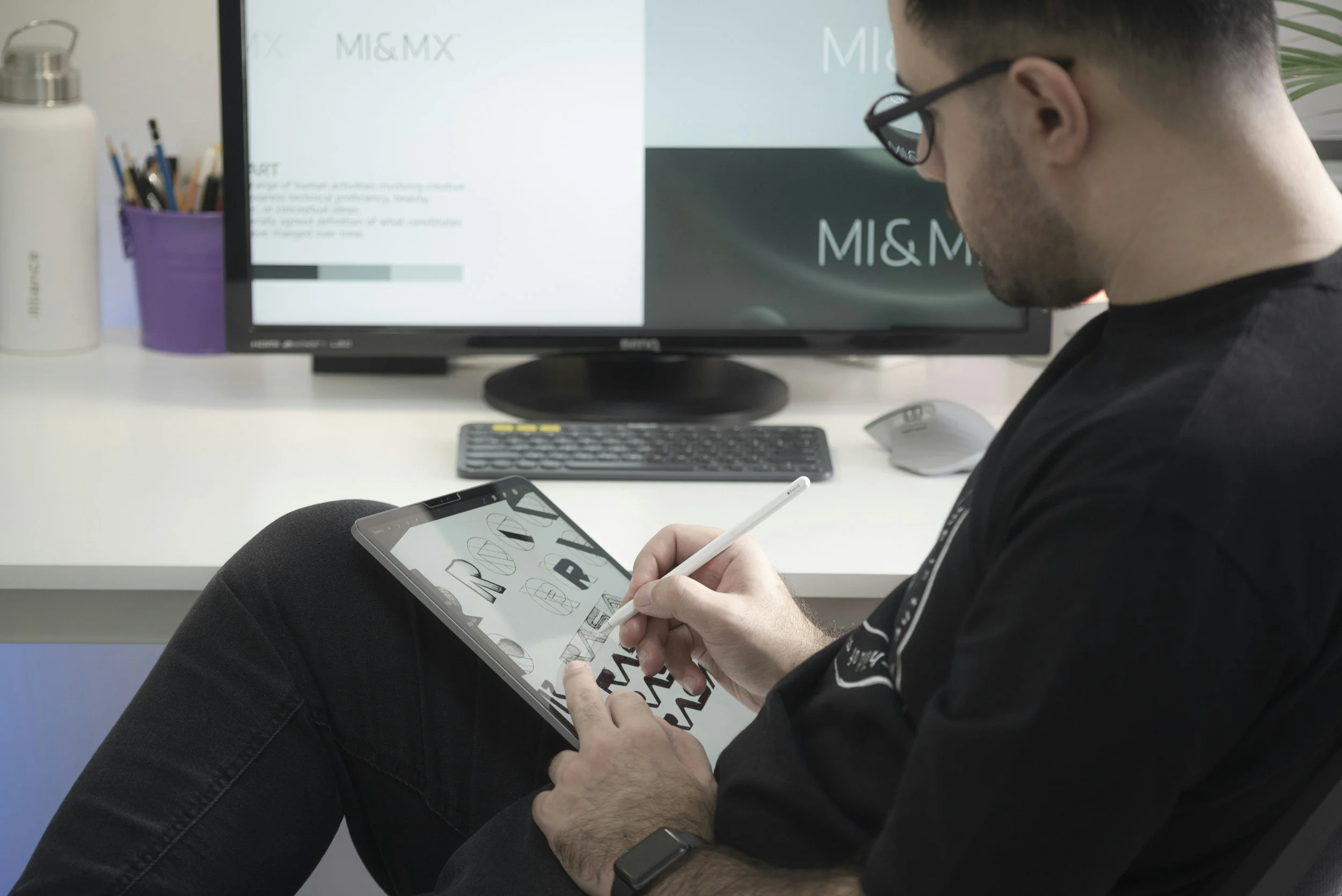
Choosing a designer is about more than finding someone whose work you like. Discover 10 questions to ask before hiring a designer, so you can find the right creative partner for your business.
Finding the Right Designer for Your Business
Whether you're launching a new business, refreshing your branding or planning a new website, choosing a designer is an important decision.
The right design can help you communicate your value, build credibility and create a stronger connection with your audience.
But with so many designers and creative studios to choose from, how do you know which one is right for you?
Looking at portfolios and comparing prices is a good starting point. However, there's much more to a successful creative project than the finished visuals.
You also need someone who understands your business, communicates clearly and can translate your ideas into something that genuinely supports your goals.
Before committing to a project, here are 10 questions worth asking.
1. Have You Worked on Similar Projects Before?
Experience can be valuable, particularly if a designer understands the type of work you're looking for.
For example, if you need a new website, you might want to see examples of websites they've designed. If you're developing a brand identity, look for examples that demonstrate how they've approached logos, colour palettes, typography and wider brand applications.
However, don't focus exclusively on whether they've worked in your industry.
A designer with a different background may bring a fresh perspective that helps your business stand out.
What to look for: Relevant experience, thoughtful examples and the ability to explain the decisions behind their work.
2. How Do You Approach a New Project?
Every designer has their own way of working.
Some begin with a detailed discovery process, while others prefer to start exploring creative ideas straight away.
Neither approach automatically guarantees a better outcome, but you should understand how your project will progress.
Ask about the stages involved, from the initial conversation through to design, feedback and final delivery.
A clear process helps everyone understand what's happening, when decisions need to be made and what comes next.
What to look for: A structured but flexible approach that gives your project direction without making the experience unnecessarily complicated.
3. How Will You Get to Know My Business?
Good design starts with understanding the problem you're trying to solve.
A designer should want to know more than your preferred colours or the style of logo you like.
They should be interested in your business, your audience, your goals and what makes you different.
That understanding helps them make informed creative decisions rather than simply producing something that looks attractive.
What to look for: Questions about your ambitions, customers, challenges and the outcomes you want your project to achieve.
4. What Is Included in the Price?
It's important to understand exactly what you're paying for before work begins.
Two quotations may look very different because they include different services, deliverables or levels of support.
For a website project, one quotation might include design, development, content migration and basic SEO setup, while another covers design alone.
For a brand identity project, one designer might provide a logo, while another includes a wider visual identity and brand guidelines.
Neither is necessarily wrong, but you need to compare like with like.
Ask for a clear breakdown of what's included, what's excluded and whether any additional costs might arise.
What to look for: A written proposal or quotation that explains the scope of work, deliverables, costs and payment terms.
5. How Do You Handle Feedback and Revisions?
Creative projects involve collaboration, and feedback is an important part of that process.
Before starting, find out how many revision rounds are included, how feedback should be provided and what happens if you want to change direction.
It's also worth asking how the designer handles disagreements about creative decisions.
You should feel comfortable sharing your thoughts, while trusting that your designer can explain their recommendations and challenge ideas constructively when appropriate.
What to look for: Clear expectations, open communication and a willingness to work together towards the best outcome.
6. What Will You Need From Me?
A designer will usually need your input throughout the project.
Depending on the work involved, this might include website copy, photographs, existing brand assets, business information, feedback or approvals.
Understanding these requirements early helps you prepare and prevents avoidable delays.
If you don't have everything ready, don't assume that means you can't get started. Ask what can be developed together and what needs to be supplied separately.
What to look for: Clear guidance about your responsibilities, the information required and when you'll need to provide it.
7. How Long Will the Project Take?
Every project has its own requirements, so timelines will vary.
A simple set of marketing graphics is naturally different from a complete website or a comprehensive brand identity project.
Ask your designer for an estimated timeframe and find out what might affect it.
You should also understand how long you'll have to review work and how delays in providing content or feedback might affect the schedule.
What to look for: Realistic expectations, agreed milestones and honest communication about potential delays.
8. What Happens to My Files and Who Owns the Final Work?
This is particularly important when investing in branding or design assets that you'll use for years to come.
Ask what you'll receive at the end of the project.
For brand identity work, this might include logo variations and files suitable for different applications. For graphic design, it could mean print-ready artwork or digital assets in the required formats.
You should also clarify ownership, licensing and whether editable source files are included.
Fonts, stock photography and other third-party assets may have separate licensing conditions.
What to look for: Written terms explaining deliverables, intellectual property rights, permitted uses and any licensing restrictions.
9. What Happens After the Project Is Finished?
Your relationship with a designer doesn't necessarily need to end when the final files are delivered.
You might need help maintaining your website, updating your branding or creating additional marketing materials as your business grows.
Ask whether ongoing support is available and what it includes.
For website projects, clarify who is responsible for hosting, updates, security and future changes. For branding, find out whether additional assets can be developed as your business evolves.
You don't need to commit to ongoing services, but understanding your options can help you plan ahead.
What to look for: Clear handover arrangements, realistic support options and transparency about future costs.
10. Do We Feel Like the Right Fit for Each Other?
This final question is easy to overlook, but it might be the most important.
You'll potentially spend weeks working closely with your designer. You'll share ideas, discuss challenges, make decisions and work through feedback together.
You should feel comfortable asking questions, explaining your concerns and being honest about what you need.
That doesn't mean agreeing on everything. A good creative relationship should leave room for constructive challenge and different perspectives.
What matters is mutual respect, clear communication and a shared commitment to achieving the right outcome.
What to look for: Someone who listens carefully, communicates honestly and makes you feel confident about working together.
Choosing a Designer Isn't Just About Price
Budget matters. Every business has financial considerations, and it's important to find a solution you can afford.
However, the lowest quotation doesn't automatically represent the best value.
Consider the full picture:
What is included in the project?
How well does the designer understand your goals?
Will the work meet your requirements?
How will the process be managed?
What support will you receive?
Can the finished work grow with your business?
The aim isn't necessarily to find the most expensive designer or the biggest agency.
It's to find someone whose approach, experience and services align with what your business actually needs.
💡 KODO Tip
Don't just hire someone whose work you love. Find someone who wants to understand why that work matters to your business.
A beautiful design is a great starting point, but the best creative decisions come from understanding the people, ambitions and challenges behind the project.
Frequently Asked Questions
-
Look for relevant experience, a clear process, strong communication and an understanding of your business goals. Review their portfolio, but also pay attention to how they approach your project and whether you feel comfortable working with them.
-
It depends on the scope of your project, your budget and the type of working relationship you prefer. Freelancers can offer a direct, personal relationship, while agencies may provide access to a wider team of specialists. Focus on the expertise and support you actually need rather than the label.
-
Costs vary depending on the service, complexity, experience and deliverables involved. Ask for a tailored quotation that clearly explains what's included. Our guide to [how much a website costs in the UK] can help if you're planning a website project.
-
That's completely fine. You don't need a perfect brief before speaking to a designer. A good initial conversation can help clarify your goals, identify potential solutions and establish the best next steps.
-
Pay attention to the questions they ask. Are they interested in your audience, ambitions and challenges, or are they focused entirely on how the finished work should look? A designer who takes time to understand the bigger picture is better placed to recommend an appropriate solution.
-
Ideally, it should outline the project objectives, scope of work, deliverables, timeline, pricing, payment terms, revision arrangements and any relevant exclusions. You should understand what you're agreeing to before work begins.
Final Thoughts
Choosing a designer is an investment in your business, but it should also feel like the beginning of a positive working relationship.
The right person won't simply ask what you want your website or branding to look like. They'll want to understand what you're trying to achieve, who you're trying to reach and how design can help you get there.
Take the time to ask questions, compare proposals carefully and find someone whose approach feels right for you.
Because when good design is supported by good communication, clear expectations and a shared understanding of your goals, the entire experience becomes more valuable.
Looking for a Designer Who Takes the Time to Listen?
At KODO, we believe every business deserves thoughtful design and a creative partner who wants to understand the people behind it.
Whether you're looking for a new website, a brand identity or ongoing creative support, we'd love to hear what you're building.
Let's start a conversation.
